Driving with precious cargo completely changes your perspective on the open road. Suddenly, that minor fender bender you easily brushed off in your twenties feels like a catastrophic threat to everything you hold dear. We absolutely get it.
Scouring through endless family car reviews shouldn’t require a master’s degree in automotive engineering, yet here we are, drowning in spec sheets and confusing acronyms. Let’s cut through the deafening noise of dealership marketing. We are going to explore the absolute best options out there, dissecting the safety technology that actually makes a difference when a deer jumps out on a dark highway.
Decoding SUV Safety Ratings: What Really Matters?
You hear abbreviations like NHTSA and IIHS thrown around at dealerships constantly. But what do they actually mean for your daily commute down busy American interstates? The National Highway Traffic Safety Administration (NHTSA) handles the five-star government ratings. The Insurance Institute for Highway Safety (IIHS), funded by insurance companies, hands out the coveted Top Safety Pick+ awards.
The IIHS Edge in Modern Testing
A five-star rating from the government is a solid, necessary baseline. However, the IIHS pushes vehicles to the absolute brink with their grueling small overlap front crash tests. This specific test mimics clipping a utility pole or another vehicle at 40 mph. Vehicles that survive this gauntlet are built like impenetrable fortresses.
When evaluating modern SUV safety ratings, a vehicle must excel in these rigorous scenarios to even be considered a top contender. As a former automotive safety consultant, I always tell clients to look past the shiny rims. You want a vehicle that engineers specifically designed to absorb kinetic energy away from the passenger cabin during these extreme, off-center impacts.
The Reigning Champions: Safest Family SUVs of the Year
Let’s name names and highlight the vehicles getting it right. The Volvo XC90 has practically become synonymous with keeping families intact during severe impacts. Its legendary boron steel safety cage absorbs crash forces like a sponge, while specialized seats help prevent spinal injuries during run-off-road scenarios.
Heavyweights in the Three-Row Category
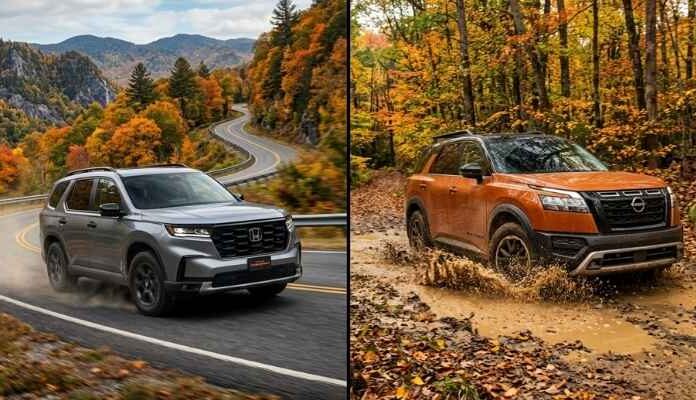
Then you have the Kia Telluride and the newly redesigned Honda Pilot. Both routinely smash crash test expectations while offering enough room to prevent endless sibling rivalries in the third row. Honda’s new three-chamber passenger airbag is a marvel. It catches the occupant’s head like a catcher’s mitt, preventing severe brain trauma in angled collisions.
When clients ask me for a rugged recommendation, I often point them toward the Subaru Ascent. Its standard symmetrical all-wheel drive combined with the advanced EyeSight driver assist suite provides an unparalleled grip on slick, rain-soaked roads. These aren’t just mere transportation appliances. They are the safest family SUVs engineered to anticipate disaster a fraction of a second before you even react.
Features That Save Lives: Beyond the Crash Test
A rigid steel frame is fantastic, but avoiding the crash entirely is obviously the ultimate goal. Modern active safety suites act as invisible co-pilots watching your blind spots. Automatic Emergency Braking (AEB) with nighttime pedestrian detection is absolutely non-negotiable in my book.
The Magic of Active Intervention
Imagine a neighborhood kid chasing a rogue basketball into the street at dusk. A split-second delay in your reaction time is all it takes for an irreversible tragedy to strike. Systems like Toyota’s Safety Sense 3.0 will aggressively slam the brakes for you.
Blind-spot monitoring and rear cross-traffic alert are equally vital for daily survival. Try backing out of a crowded Costco parking lot in a massive three-row vehicle without them. It is pure anxiety. Furthermore, look for Evasive Steering Assist. If braking isn’t enough to avoid a stopped car, the steering wheel will actively help you guide the vehicle into an open lane safely.
Top-Rated SUVs for Kids: LATCH Systems and Rear-Seat Tech
Crash tests utilize highly calibrated dummies, but real life involves squirming toddlers and massive, heavy car seats. Therefore, how a car actually accommodates child restraints is a massive part of its true safety profile. We need easily accessible LATCH anchors, not hidden metal loops buried deep within stiff, unyielding leather cushions.
Rear Seat Reminders and Everyday Logistics
The top-rated SUVs for kids feature wide-opening rear doors and smart sliding second rows. The Volkswagen Atlas, for example, lets you tilt the second row forward to access the back even with a forward-facing child seat installed. That is brilliant, frustration-saving engineering.
Furthermore, ultrasonic rear occupant alerts are quickly becoming a standard requirement. These systems detect micro-movements in the back seat, like breathing. If you accidentally walk away with a sleeping baby hidden behind a tinted window, the car will blare its horn and flash its lights to grab your attention.
SUVs vs. The Best Minivans: The Ultimate Showdown
I know you likely want a rugged crossover. Almost everyone in the US market wants an SUV right now. But we have to have a brutally honest conversation about the alternative. Vehicles like the Honda Odyssey and the hybrid Toyota Sienna are purpose-built child-hauling machines.
Swallowing Pride for Peak Practicality
The best minivans offer a significantly lower center of gravity. This inherently reduces rollover risk compared to tall, top-heavy SUVs. Sliding doors mean your kids will never slam metal into a neighboring vehicle in a tight parking garage.
Plus, the sheer volume of interior space allows for much better crumple zones around third-row passengers. The Chrysler Pacifica even offers all-wheel drive now, bridging the weather-capability gap. If you can simply get past the outdated soccer-parent stigma, a minivan often delivers superior daily safety logistics than a similarly priced crossover.
Your Next Move for Peace of Mind
Protecting your family on the chaotic road requires looking far beyond flashy infotainment screens and premium audio systems. Prioritize structural integrity, active crash avoidance technology, and actual car seat compatibility above all else.
Start your buying journey by narrowing your list strictly to IIHS Top Safety Pick+ winners. Go test drive your top three choices immediately. Bring your bulky car seats along to the dealership to test the actual fit and installation process. Your family’s safety is absolutely worth that extra hour of hassle.
Frequently Asked Questions
What is the difference between NHTSA and IIHS safety ratings?
The NHTSA is a government agency that issues star ratings based on standard frontal, side, and rollover tests. The IIHS is an independent organization that conducts more severe tests, like the small overlap front crash, and evaluates headlight quality and collision avoidance tech.
Are third-row seats actually safe in an SUV?
Yes, provided you choose a highly-rated vehicle. Modern three-row SUVs are designed with rear crumple zones and side curtain airbags that extend all the way to the back. However, always ensure the third row is strictly used by passengers who fit the specific weight and height requirements.
What is the single most important active safety feature for a family car?
Automatic Emergency Braking (AEB) with pedestrian detection is widely considered the most critical. It actively intervenes to stop the car if you fail to react to an obstacle, significantly reducing the severity of front-end collisions.