Imagine you are cruising down a winding backroad, the suspension of your rugged, specialized pickup absorbing every bump with precision. Suddenly, the steering feels disconnected, almost phantom-like, as if the physical link between your hands and the tires has simply vanished. It is the ultimate nightmare for any driver, and for a specific group of enthusiasts, it has become a chilling reality. Nissan just told owners not to drive this Roush-built truck, escalating a standard mechanical concern into a full-blown safety emergency. This isn’t just another routine trip to the dealership for a software update; it is a “stop what you are doing” command that has sent shockwaves through the off-roading community.
We understand the frustration that comes with a high-performance purchase turning into a driveway ornament. You bought a vehicle designed for the toughest terrains, only to be told it isn’t safe for a paved cul-de-sac. The “Do Not Drive” warning is the most severe directive a manufacturer can issue, reserved only for defects that pose an immediate risk of catastrophic failure or injury. In the world of automotive liability, this is Nissan’s way of saying the risk is too high to even attempt a drive to the service center.
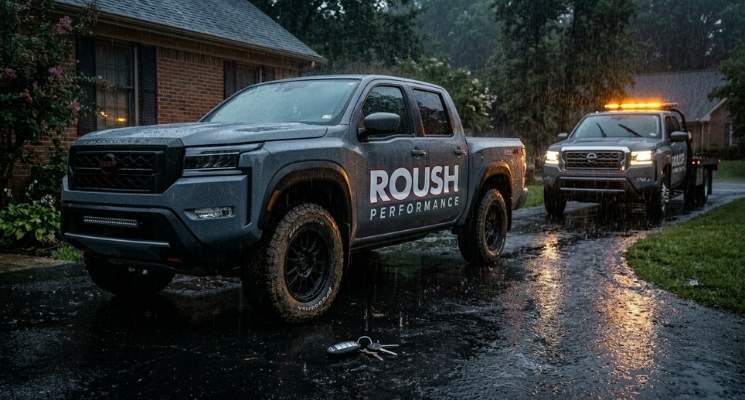
If you are currently holding the keys to a 2024 Nissan Frontier equipped with the Roush Performance package, the clock is ticking. This specific collaboration was meant to bridge the gap between factory reliability and aftermarket grit, but something went wrong in the assembly or design phase. We are going to dive deep into exactly what broke, why the Roush connection complicates the fix, and the immediate steps you must take to protect yourself and your investment.
The Mechanical Culprit: A Steering Nightmare
At the heart of this urgent bulletin lies a component most drivers never think about until it fails: the steering gear pinion shaft. Nissan just told owners not to drive this Roush-built truck because a critical bolt within this assembly may not have been tightened to the correct specifications. In the engineering world, torque specs are the law. If a bolt is even slightly loose in a high-vibration environment like a performance truck, it can back out entirely. Once that bolt is gone, the steering shaft can disconnect from the rack, leaving the driver with zero control over the vehicle’s direction.
We’ve seen steering failures in the past, but they are rarely this binary. Usually, there is a rattle, a groan, or a bit of “play” in the wheel that gives you a heads-up. However, the reports surrounding this Roush-built Frontier suggest that the failure can be sudden. Imagine the sheer force exerted on a steering rack when navigating a rocky trail or even hitting a pothole at highway speeds. That energy has to go somewhere, and if a primary fastener is loose, the mechanical assembly can essentially dismantle itself while you are in motion.
From an expert perspective, this is a classic “single point of failure” issue. Modern vehicles are designed with redundancies, but the physical connection of the steering column is one area where you simply cannot afford a mistake. Nissan’s decision to bypass the standard recall process and go straight to a “Do Not Drive” order suggests that their internal testing showed a high probability of detachment. It’s a sobering reminder that even the most beastly, over-engineered trucks are still vulnerable to a single uncurbed bolt.
The Roush Performance Factor: Why This Trim?
Roush Performance is a name synonymous with American muscle and high-stakes racing, traditionally associated with the Ford Mustang and F-150. When it was announced that they would be lending their expertise to the Nissan Frontier, the “overlanding” community was ecstatic. The package includes a specialized cold-air intake, a throatier exhaust system, and a custom suspension setup designed to handle high-speed desert running. However, it is exactly these modifications that may have contributed to the current crisis.
When a vehicle is modified away from its base factory specs—even by a reputable partner like Roush—the physics of the vehicle change. Higher-performance suspension often leads to more rigidity and different vibration frequencies traveling through the chassis. If the steering gear wasn’t accounted for during these upgrades, or if the installation process at the port-of-entry or dealership involved disturbing these factory-set bolts, you have a recipe for disaster. We have seen this before where the “mismatch” between factory assembly and aftermarket add-ons creates a blind spot in quality control.
For many owners, this is a heartbreaking development. You paid a significant premium for the Roush badge, expecting a truck that could go anywhere and do anything. Instead, you are looking at a “Do Not Drive” order. It is important to note that this specific issue doesn’t affect the standard Frontier models; it is isolated to the units that underwent the Roush transformation. This suggests that the problem likely occurred during the specific integration of the Roush components rather than being a flaw in the fundamental Nissan platform.
What You Need to Do Right Now: Actionable Advice
If you own this vehicle, your first move isn’t to pop the hood and grab a wrench. Because Nissan just told owners not to drive this Roush-built truck, your insurance coverage could actually be compromised if you ignore the warning and get into an accident. The very first thing we recommend is locating your Vehicle Identification Number (VIN) and heading to the NHTSA (National Highway Traffic Safety Administration) website. Even if you haven’t received a physical letter in the mail yet, the digital database will tell you if your specific unit is part of the “danger zone.”
Once you confirm your truck is affected, do not—under any circumstances—attempt to drive it to the dealership. Nissan is providing free towing for all affected units. This is a crucial service you must utilize. When you call your local service department, specifically mention the “Do Not Drive” order for the Roush Frontier. They are required to prioritize these cases and should provide you with a loaner vehicle or a rental reimbursement while your truck is being inspected and repaired.
We also suggest documenting the condition of your steering before the tow truck arrives. Take a quick video of the steering wheel’s movement and any noises you hear. While the dealership will handle the mechanical fix, having a “before” record is vital for your own files, especially if you plan to seek further compensation for the loss of use of your vehicle. This is about more than just a repair; it’s about ensuring that your $50,000+ investment is returned to you in a condition that you can actually trust on the open road.
The Long-Term Impact on Frontier Resale Value
Recalls are a part of the automotive lifecycle, but a “Do Not Drive” order is a permanent stain on a vehicle’s history report. Potential future buyers will see this red flag on the Carfax, and it could hurt your resale value down the line. We recommend keeping every piece of documentation related to this repair. You want to be able to prove to a future buyer that the issue was resolved by certified technicians using the officially mandated Nissan fix.
Beyond the financial aspect, there is the “trust factor.” We’ve spoken to many enthusiasts who say that once a vehicle has a steering-related “Do Not Drive” order, they never quite feel the same way about it. You start listening closer for every tick and pop. To combat this, we suggest asking your dealership for a full multi-point inspection of the entire front end while the truck is already in for the steering bolt fix. Ensure they check the tie rods, the ball joints, and the Roush-specific suspension components to provide you with total peace of mind.
Ultimately, this situation is a test of Nissan’s customer service. How they handle this specialized group of owners will define the future of their performance partnerships. If they provide seamless towing, transparent communication, and a permanent fix, the Roush Frontier can still go down as a legendary mid-size truck. If they stumble, it may be a long time before we see another high-performance collaboration of this scale.
FAQ
Which exact models are affected?
The “Do Not Drive” warning specifically targets 2024 Nissan Frontier pickups that were outfitted with the Roush Performance package. Standard Frontiers are not currently under this specific urgent order.
What happens if I already drove it and felt fine?
Mechanical fatigue is cumulative. Just because the bolt hasn’t fallen out yet doesn’t mean it isn’t loose. The danger is the “sudden” nature of the failure. Stop driving immediately and call for a tow.
Will the repair cost me anything?
No. Under federal law, all recall-related repairs—especially those with a “Do Not Drive” status—must be performed at zero cost to the owner. This includes the towing and the parts/labor for the fix.
How long will the repair take?
The inspection itself is relatively quick, but if parts are required or if the steering rack needs replacement, it could take several days. Ensure you request a loaner vehicle from Nissan during this time.
Your Safety Comes First
The news that Nissan just told owners not to drive this Roush-built truck is a major blow to the 2024 Frontier’s debut year. However, ignoring a steering warning is a gamble that no one should take. Take the keys out of the ignition, call your dealer, and demand the service you deserve as a premium truck owner. We will keep you updated as more information regarding the “final fix” becomes available. Stay safe and stay informed.